
July 1st,2019

Chapter 13 Section 1
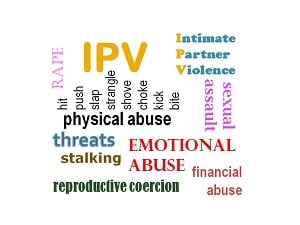
This section discussed a very heavy topic: violence. The aspect that stood out to me most was sexual violence. This is never a topic that is easy to discuss however, the statistics mentioned in this section especially highlighted the weight of the issue. Statistics know that at LEASt 23 percent of females in college will be raped or sexually assaulted. Although this measured statistic is concerning enough, the real concern should be focused on how many instances of sexual assault go unreported. Only about five percent of sexual assaults are reported which means that an estimated 95 percent occur with no justification. As a female in college, this is something that is extremely personal. Coming from a very small and low-crime hometown, I grew up looking at the world and the people within it much more beautified than it always is. When I first got to Bridgewater in the fall and the on-campus crime emails began to be sent out reporting incidents every few days I was in disbelief. It may sound like I was naive, but I truly had not understanding of how common such horrible situations on campus are (especially within residence halls). Having learned what I did throughout the school year and from this section, I feel much more aware and alert to potential risks such as sexual violence.
Section 3
This section continued to discuss the issue of sexual violence but focused in specifically on sexual violence within relationships. The issue of intimate partner violence (IPV) which is described as physical, sexual or psychological harm done by a current or former partner is something to take very seriously. I found the way that this topic was presented within the text to be done very well. The emphasis on why people who experience IPV stay in their relationships enlightened my understanding of the issue and how to go about assessing such a difficult situation. It is definitely easy to look at a couple in a struggling relationship and question why they don’t just stop being together if they are so bad for each other, but it certainly isn’t always that simple. The text mentioned how many people experiencing IPV feel isolated, scared and as if they have no alternatives but to stay in their relationship. Especially mothers and women who may be dependent on their partner’s income or housing. Another perspective that was explained was how many people within a violent relationship are unable to see how unhealthy their situation is the way that people on the outside of their relationship are able to. As someone who has had numerous conversations with friends and loved ones regarding their own personal experiences with IPV, this section explained it in a very eye-opening and considerate way.

Section 8
As a member of greek life here at Bridgewater, I was very interested to read about this section’s topic: hazing. Hazing which is defined as “any activity expected of someone joining or participating in a group that humiliates, degrades, abuses or endangers them regardless of a person’s willingness to participate” is something that harbors an absolutely zero tolerance policy here at Bridgewater. When I was going through recruitment and the initiation process, one of my biggest stressors came from the unknowingness of how I would be hazed. Once I learned that there truly is no hazing allowed at Bridgewater, I was extremely relieved. I find it so disturbing how intense some schools’ greek life crowds can become. A national study determined that 55 percent of college students involved in organized clubs and activities reported to having taken part in a hazing process at some point. The underlying issue with this topic (similar to sexual violence) is that the majority of cases go unreported. Because so many people who experience hazing are hesitant to report it, in many cases the situations remain unresolved. An estimated 9 out of every 10 college students have been hazed without even knowing. This statistic is concerning because it exemplifies how normalized activities of hazing have become.
Chapter 14

Section 3
This section is relevant to all readers because it is something that is often out of our control. Air pollution is not something that you can individually fix for yourself, it is a collective issue. The greatest source of pollution indoors is environmental tobacco smoke(ETS) which is all referred to as secondhand smoke. Secondhand smoke contains both carbon monoxide and cancer-causing particulates which if you couldn’t tell by their intense titles are not healthy to breathe-in at all. Living in or being frequently exposed to an indoor environment where smoking occurs is up to five times more hazardous than living in an environment where there is no air pollution. Because of this issue, many buildings have implemented strict no-smoking policies. Even better, many cities and towns as a whole will have designated no-smoking areas which include the greater majority of space. Because air pollution is not something that can be contained to each individual’s personal contribution, most public spaces have banned smoking as a whole. I think this is a very positive decision made by towns and cities because the majority of people who are non-smokers (including children) do not want to be expose to such harsh pollutions.
:max_bytes(150000):strip_icc()/GettyImages-543199092-85d8052eca0947e99e95c9ab9b81c443.jpg)
Section 7
The seventh section of chapter 14 shared information on radiation. With cell phones, tables and computers (amount many other electronic devices) being used so regularly today, radiation is always around us. Even writing this blog post I am being exposed to it from my laptop! The type of radiation which comes from such handheld electronic devices is known as nonionizing radiation. Nonionizing radiation is found at the lower end of the magnetic spectrum. This is an issue that is fairly new to scientists and consumers because cell phones haven’t been around for too long considering that the concerns based around them and what they emit are long-term. When cell phones and other handheld devices haven’t even been around for too long themselves, it is nearly impossible to have an understanding of exactly how they will effect humans in the future. There have been many discussions about concerns regarding electromagnetic fields (EMF’s) and how they are linked to cancer, although no exact proof has been discovered yet. The limited research that has been done was prior to the present where cell phones are used extensively for much more than just holding a conversation. Cell phones specifically emit radio frequency (RF) which can penetrate the majority of a person’s upper body such as their neck, upper torso and skull. Young children who are still developing are at an increased risk of exposure to radiation and it is not recommended that they use cell phones or tablets for an extended amount of time because of this.
Section 8
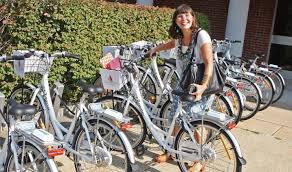
This section highlighted the many different ways in which campuses work to improve their sustainability. Some ways mentioned that I noticed at Bridgewater this past year were the reusable containers/cutlery and the rentable bikes. By offering reusable to-go containers, the amount of waste each day was reduced significantly because less people where using single-use containers to bring food from the dining halls back to their dorm buildings. Bridgewater even incentivized the to-go containers by offering a complete refund of the cost of the container if it was returned to the dining halls on time. I feel as though this was a very positive switch from a previously very wasteful habit and I am very glad to see it have worked out so well. Another huge way to reduce waste on a college campus is to bike or walk around instead of taking a car or shuttle. Bridgewater offers on-campus bike rental with both single-use and year-long options. The bikes are meant to encourage students to avoid driving anywhere they’re going on campus and instead encourage self-transportation.
Chapter 15
:max_bytes(150000):strip_icc()/GettyImages-537983513-57574f003df78c9b46deaadc.jpg)
Section 4
Over-the-counter drugs (non-prescription substances used for self-medication) can be very dangerous if not taken correctly. Although drugs purchased over-the-counter are verified by the FDA (food and drug administration) and safe to use in a self-diagnosis situations, it is important to read the label properly before ingesting to make sure what you are taking will help you and not hurt you. Although over-the-counter drugs aren’t exactly addictive, it is easy to become dependent on them to fix every little ailment when they are so readily accessible. It is important to be a smart consumer when using over-the-counter drugs, reading the FDA approved label clearly before administering anything to yourself or a friend. Although concern about dependence is often focused on prescription drugs, over-the-counter drugs can also cause people to become dependent. Someone who uses eye drops every time their eyes are a bit itchy or who takes Advil at the feeling of the slightest discomfort can actually build up tolerances to these over-the-counter remedies if they are done too often.

Section 8
I found this s section to be especially fascinating because my Mom has started going to acupuncture very recently and I have been very curious to know exactly what she experiences and how it helps her. From what I have learned, I now know that acupuncture (a type of energy therapy where small needles are placed at points o the body where they can provide relief from pressure) increases the flow of Qi (energy) within the meridians (energy pathways) within a person’s body.Interestingly enough though, in 2017 a placebo effect test was with acupuncture. From this test, it was concluded that subjects who received fake acupuncture reported to feeling much better and pain-free despite not actually having acupuncture done to them at all. With at least half of the subjects having those results, the belief of whether or not acupuncture is a legitimately helpful practice remains unsure. Luckily, my mother who suffers from chronic back pain has been experiencing positive results from acupuncture however now I am left to wonder if she really is getting it, or if she too is experiencing a placebo effect.

Section 9
This section was a huge deja vu experience for me. I felt as though this section took me back to my first semester wellness seminar with Professor Burak. This is because my semester-long project was actually on a mindfulness technique called gratitude journaling. Although writing in a journal doesn’t exactly equate to mediating, the basic principles of both activities are essentially the same. Both practice mindfulness which is defined as the quality or state of being conscious or aware of something. With mindfulness meditation, a person fixates their thoughts on the positive aspects within their lives and allows the goodness of those thoughts to manifest within their head, ignoring any negative aspects. Although this practice is fairly new in recent years, it has been known around many places such as work offices and college campuses to reduce stress. Mindfulness meditation is known to increase the connectivity of nerve cells in white matter of the brain which (in simpler terms) means reducing the amount of tissue degeneration that takes place (yay for staying younger longer)!. Mindfulness meditation has also bee discovered to improve classroom performance and focus. This is especially helpful for college aged students who often experience stress related overwhelming amounts of work that is due around the same time. With may studies concluding that mindfulness can improve: anxiety, depression, self confidence, cognition and reducing distractions, it is easy to see how beneficial such a simple practice can be. I know from my personal experience with a mindfulness technique that semester that I am certainly a better person today because of the aspects of my gratitude journaling in the fall. Something so simple as stopping to smell the roses can significantly impact your day in a positive way when being mindful of the many positive aspects around you that you have neglected to acknowledge. This relates to my health aspect because it is equally important to nourish not only your body with good foods, but your mind as well. I see mindfulness as the apple-a-day for your mind. Someone who is mindful and practices techniques such as meditation each day is more likely to keep the doctor away because of the positive results they are experiencing from it.

My Health Aspect:
This was my final week to really hunker down and focus on my health aspect! I am proud to say that within the few shorts weeks of this course I am confident and proud of the improvements that I have made with my eating habits and what it is exactly that I have chosen to eat. With my health aspect being focused on trying to eat more regularly and avoiding missing a meal, I tried to do everything possible to make this happen for myself. This week I had (yet again) a rather funky work schedule. Because of nights I will close at my work and then have to be the one opening up the next morning, it is easy to become distracted and overwhelmed and not give myself a proper (healthy) amount of time to eat. NOT THIS WEEEK! Knowing the difficulties I had with this issue in the past few weeks, I made to sure to set myself up for total success. I’m talking about having lunchbox packed for each shift with nutritional snacks that not only allowed me to eat at an appropriate time, but also allowed me to eat clean. Although it did take a bit more work and planning to bring my food with me to work, how it made me feel was definitely well worth continuing to do. I feel as though I have seen bringing snacks to work as such a tricky thing to set up before each shift however in reality I believe it took me less than five whole minutes to get everything together before I left for work.























 Lindsey's Health Blog